
The Advantages of Stone Veneer
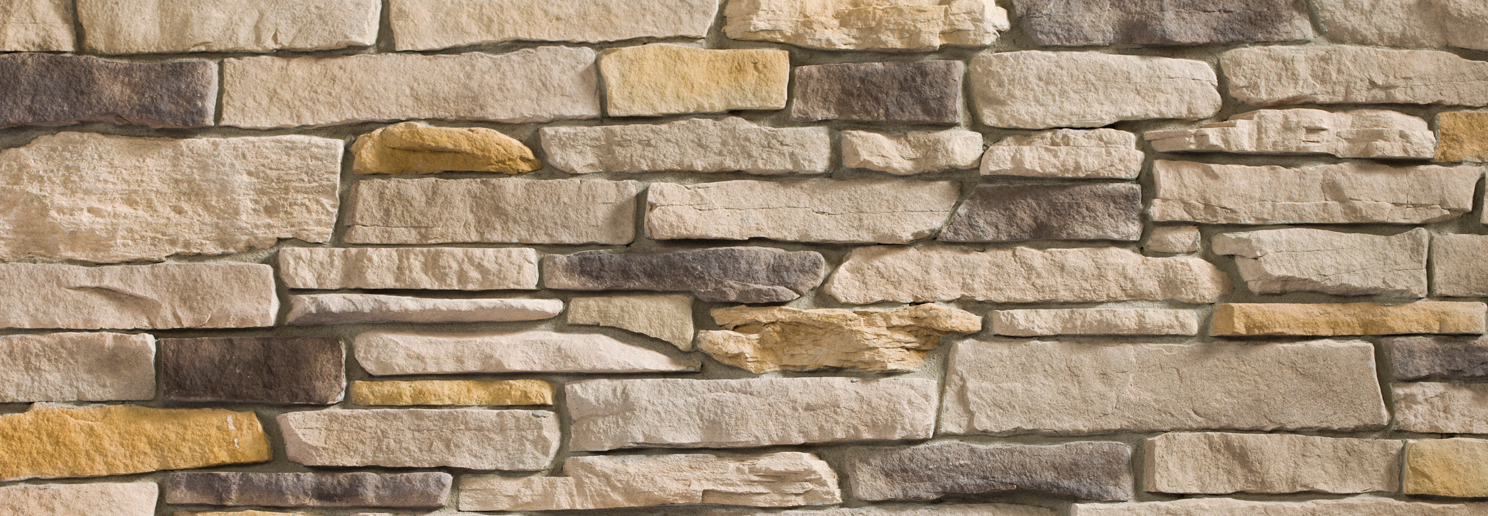
This post was updated on April 30, 2026, to give you the most current information.
If you’ve been paying attention to home exteriors lately, you’ve probably noticed a trend: stone veneer is popping up like a weed (though we think it’s much easier on the eyes). On front entryways, around garage columns, framing porches. We wouldn’t be surprised if it somehow started showing up on cars. Basically, it’s become one of the most popular exterior upgrades for homeowners in 2026.
When it comes to home improvements, manufactured stone hits a sweet spot: delivering a high-end, textured look without the price tag or structural demands of full natural stone.
But here’s the catch: It’s only powerful when used strategically. Slap it everywhere, and the effect can quickly go from “impressive” to “overdone.” Let’s break down where it shines (and where you might want to pump the brakes).
What It Actually Is
Before diving into design decisions, it’s worth knowing what you’re actually working with. At its core, stone veneer is a thin layer of stone (or stone-like materials in this instance) applied to a surface for aesthetic purposes. It’s like makeup for a house. It’s not a load-bearing material, though; it’s a finish.
There are two main types:
- Natural stone: Real stone that’s been cut thin. It’s genuinely quarried, genuinely heavy, and genuinely expensive. When you want the absolute real deal, this is it. Just don’t break your back moving it.
- Manufactured stone: Made from Portland cement, aggregates, and iron oxide pigments molded to mimic natural stone. It’s lighter, more consistent in appearance, and far more common in modern installs.
When comparing natural stone veneer vs. manufactured, most homeowners end up with the manufactured option. Not because it’s second-rate, but because it’s practical. It can be installed on virtually any properly prepared surface, comes in a huge range of styles and colors, and performs extremely well over time when installed correctly.
The Biggest Mistake Homeowners Make
Let’s cut right to it. People make mistakes. And the biggest mistake homeowners make with stone veneer siding? Overusing it.
There’s a misconception that if a little stone looks good, a lot of stone must look great. In reality, the opposite is often true. Full-front coverage can weigh down the visual appeal of a home, making it look dated rather than distinguished.
Other common pitfalls include:
- Cheap materials or shortcuts on installation: Poor installation leads to moisture infiltration, cracking, and separation over time. And beyond the cosmetic issues, water damage behind stone veneer siding can become a serious structural problem. (Psst! This is why working with an experienced contractor matters!)
- Ignoring the home’s architecture: Not all styles work on all homes. A rustic ledgestone might look stunning on a craftsman bungalow and completely out of place on a contemporary build with clean lines.
- Skipping proper substrate prep: The surface beneath the veneer needs to be correctly prepared. Without the right moisture barrier and substrate, even high-quality stone can fail.
The good news? All of these mistakes are avoidable. It just takes the right planning and the right crew.
Where Stone Veneer Looks Best on a Home
Used strategically, this material transforms the character of a home. Here are the spots where it consistently delivers the most impact:
- Entryways and front elevations: The entry is where first impressions are made. Flanking your front door with stone, framing the entryway, or carrying it across the lower front elevation adds immediate visual weight and warmth.
- Foundation skirting: Bare concrete foundations are a missed opportunity. Stone veneer siding along the base of a home adds depth and can hide plain block or poured concrete.
- Columns and porch bases: Wrapping columns or porch posts in stone is a high-impact, relatively low-square-footage application. It anchors the porch and adds a touch of permanence that painted wood can’t hope to replicate.
- Outdoor living spaces: Your firepit area needs a tune-up, you say? We have just the solution. Stone holds up beautifully in outdoor environments and adds the kind of continuity that’s become popular.
Where You Should Think Twice Before Using It
Just as important as knowing where this veneer excels is knowing where it doesn’t. A few areas worth pausing on:
- Full home facades: Covering every inch of your exterior in stone can make your exterior look like a mess. Stone works best as an accent material, so treat it like it.
- Areas with drainage or moisture challenges: If a section of your home is prone to water runoff, poor drainage, or existing moisture issues, stone veneer “isn’t it,” as they say. It can trap or redirect water in ways that worsen problems rather than solve them.
- Ultra-modern or minimalist homes: Contemporary architecture tends to favor clean lines, smooth surfaces, and minimal texture. Heavy stone can fight against that aesthetic rather than enhance it. We recommend stucco or EIFS installation instead.
None of this means stone veneer siding is off the table for these situations, but they do warrant a conversation with your contractor before moving forward. We can help you decide based on what’s right for your home (not just what’s popular now).
Veneer vs. Natural Stone: What You’re Really Paying For
The part everyone loves talking about: Cost!
| Factor | Manufactured | Natural |
| Cost (installed) | $8–$18 per sq. ft. | $25–$50+ per sq. ft. |
| Weight | Lighter; less structural load | Heavier; may need added support |
| Appearance | Consistent; wide style variety | Unique; natural variation |
| Install Time | Faster | Longer; more labor-intensive |
| Durability | Good with proper install | Excellent; built to last generations |
So when is natural stone worth it? If budget isn’t the primary constraint, natural stone is a legitimate choice. For most residential applications, however, high-quality manufactured stone delivers a comparable appearance at a fraction of the cost. When comparing natural stone veneer vs. manufactured stone, the manufactured option wins on practicality for most homeowners.
What Does It Cost in 2026?
Cost is always part of the conversation, so here’s a realistic look at what to expect for this exterior superstar in 2026. (We know we touched on this above, but it’s worth hammering home. See what we did here?):
- Manufactured stone (installed): $8–$18 per square foot, depending on style, region, and complexity of installation.
- Natural stone (installed): $25–$50+ per square foot.
- Partial installs: Foundation skirting, columns, or entryway accents often cost significantly less overall than full-facade projects.
One thing homeowners consistently underestimate: labor and substrate prep. Materials are just part of the equation. Proper installation requires moisture barriers, the right mortar mix, and attention to detail that affects both appearance and longevity. If you cut corners, you’ll regret it.
2026 Design Trends That Add Value
- Accent use over full coverage: The industry has pretty much abandoned top-to-bottom stone applications. Instead, strategic accent zones create balance and visual interest without overwhelming the facade.
- Mixing stone with stucco for contrast: Pairing stone veneer siding with stucco is increasingly popular. Smooth stucco provides a clean backdrop that lets the texture of the stone stand out.
- Warmer, natural color palettes: Browns, taupes, warm grays, and earthy tones are trending over cooler, starker contrasts. These palettes age well and fit in with a wide range of architectural styles.
- Indoor-outdoor continuity: Using similar stone styles on exterior features (fireplaces, outdoor kitchens) and interior accents (fireplace surrounds, accent walls) creates a cohesive design throughout the property.
Is Stone Veneer the Right Upgrade for Your Home?
Not sure if this is the right move for your home? Run through this quick checklist:
- Budget: Do you have room for a quality install, including substrate prep and labor? A low-budget stone job often costs more in repairs down the road.
- Home style: Does stone complement your home’s architectural character, or does it fight it?
- Goals: Are you upgrading for resale value or long-term enjoyment? Both are valid, but they might point to different scope and material choices.
Think of Robey Stucco as more than just an installer. We’ll walk through these questions with you, assess your home, and give you honest guidance about what’s going to look right and hold up long-term.
Considering Veneer? Robey is Here!
Every Robey Stucco team member has worked with plenty of these projects. We know what works and we’re ready to give you a straight answer. Steer us back in the right direction if we get too animated; we could talk about this stuff all day.
If you’re considering stone veneer installation in Maryland, Pennsylvania, or the surrounding area, reach out to us for a consultation. We’ll take a look at what you’re working with and give you a realistic picture of what’s possible. Talk soon!