
What Is Dryvit? A Building Owner’s Guide to the Exterior Finish Brand
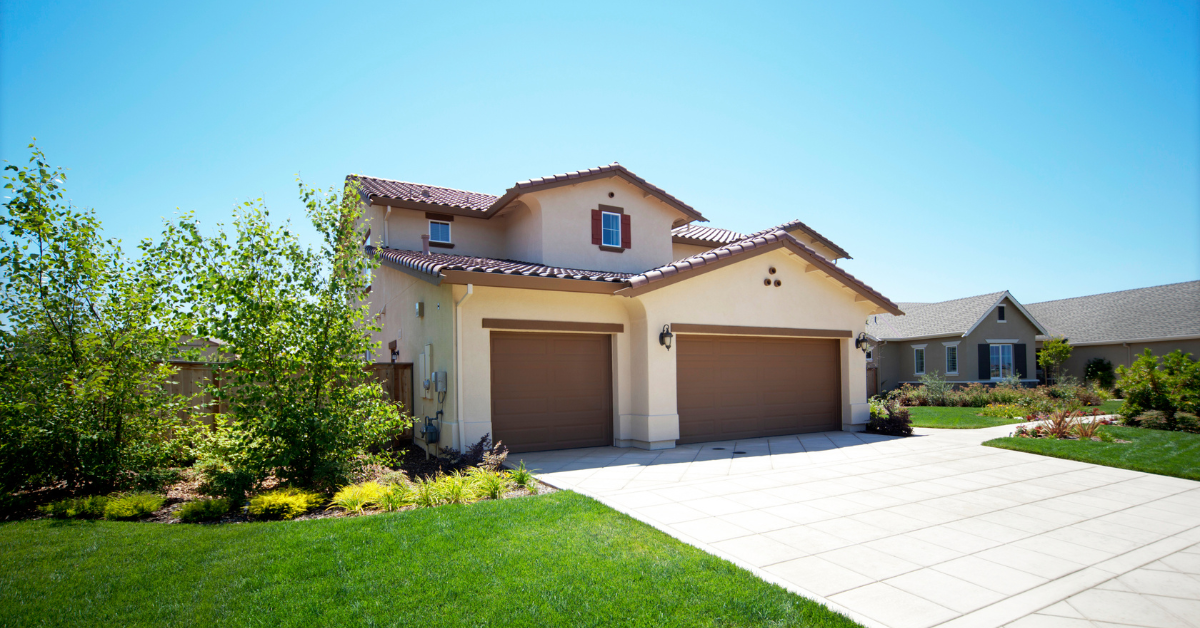
Dryvit is a leading brand of exterior finish system, best known for its role as the original name in EIFS (Exterior Insulation and Finish System). If you’ve heard someone refer to “Dryvit stucco,” they may not be talking about the brand, necessarily.
Side note: While we could give you the pronunciation as it might appear in a dictionary, it’s way simpler (and more amusing) to tell you to say “drive it.”
Choosing the right finish system matters, no matter who you are. It affects everything from your energy bills to how the building looks ten years from now. This guide covers what Dryvit is, how it works, how it compares to traditional stucco, and where it makes sense for your property.
What Is Dryvit? (The Short Answer)
Dryvit is a brand of exterior wall finish systems that’s become synonymous with EIFS. Plenty of homeowners wonder what it is without realizing they’ve probably already seen it firsthand on homes and buildings throughout their neighborhood.
Here’s the naming quirk worth clearing up: people use “Dryvit” the way they use “Kleenex” or “Band-Aid,” as a stand-in for the entire EIFS category, even when the product installed is a different manufacturer’s system. Kind of makes us feel bad for the other manufacturers, but we can’t change how everyone talks.
How Dryvit Works: The Layers of the System
Old systems do the bare minimum by today’s standards. Dryvit is the new and improved option, with layered assembly that helps it perform differently from older exterior finishes.
- Insulation board: A rigid foam board is attached directly to the exterior wall sheathing. This layer is what gives EIFS its energy-saving reputation, since it wraps the building in a continuous layer of insulation. Say hello to comfort in your home year-round.
- Base coat with reinforcing mesh: A cement-based base coat is applied over the foam and embedded with a fiberglass mesh. This layer adds impact resistance and helps the system flex without cracking.
- Finish coat: Why choose between style and function when you can have both? The top layer is a textured, colored finish coat that gives the building its final appearance and weather protection.
With Dryvit, a building can get a custom, high-end look without the limitations of a single finish option.
Dryvit vs. Stucco
Traditional stucco is a cement-based finish applied directly over a wire lath and moisture barrier. Dryvit, as an EIFS product, adds a rigid foam insulation layer beneath a synthetic, flexible finish coat.
So what does that mean for performance?
- Energy efficiency: The continuous insulation layer in Dryvit gives it a clear edge over traditional stucco, which has no built-in insulating layer of its own.
- Weight: Dryvit systems are considerably lighter than traditional stucco, which can matter for certain wall assemblies and structural considerations.
- Flexibility and crack resistance: Because the finish coat is synthetic and flexible, Dryvit tends to resist hairline cracking better than rigid, cement-based stucco, particularly through freeze-thaw cycles (which have a big presence in this area).
- Appearance: Both systems offer a range of colors and textures, though traditional stucco still edges out Dryvit for textural variety, while Dryvit tends to hold color longer.
When people ask about Dryvit vs. stucco, there isn’t one that’s just universally better. It’s like comparing Star Trek and Star Wars. Different strokes and whatnot. Each has a place, and the right choice depends on the building, climate, and owner’s priorities for maintenance and appearance.
Is Dryvit the Same as Siding?
Eh, not exactly, though it’s often grouped in the same conversation. Dryvit is a finish system, not a panel product like vinyl or fiber cement siding. It’s applied in layers directly to the wall assembly rather than installed as individual panels or boards.
Compared to common siding choices, Dryvit tends to require less routine maintenance than materials like wood, and it doesn’t have the seams and joints that some siding systems do. That said, it isn’t a fit for every architectural style, so consider discussing it with a contractor who works with both systems regularly (something we’d be happy to chat about).
Benefits of Dryvit for Your Property
When installed correctly, Dryvit offers a handful of advantages for both homeowners and businesses:
- Energy efficiency: The insulation layer helps reduce heating and cooling costs year-round.
- Design flexibility: A range of textures and colors means the finish can be tailored to nearly any architectural style.
- Durability: The mesh-reinforced base coat gives the system solid impact resistance for its lifespan.
- A seamless, finished look: Because it’s applied as a continuous coating rather than in panels, Dryvit gives buildings a clean, monolithic appearance.
Nothing is perfect, though: these benefits only hold up when the system is installed correctly. A shoddy job means everything could fall apart. Dryvit and other EIFS products are unforgiving of shortcuts, and performance issues almost always trace back to installation, not the material itself. (Yours truly has plenty of experience to be your go-to guys.)
When Dryvit Makes Sense (And When It Doesn’t)
Dryvit is a great fit for new construction or full exterior renovations where the wall assembly can be properly prepared from the start. It’s also a strong option for owners prioritizing energy efficiency and a variety of design options.
On the other hand, traditional stucco or another exterior system might be a better fit for historic restorations, buildings where matching existing cement stucco is a priority, or situations where budget constraints make the added cost of an insulated system harder to justify.
Just remember: Performance depends heavily on installation.
Why Professional Installation Matters
Show us a failing system, and we’ll show you a less-than-awesome installation job. EIFS systems like Dryvit are unforgiving of poor detailing. Because the assembly relies on layered materials working together, moisture intrusion issues almost always trace back to how the system was installed rather than a flaw in the product itself. Improper flashing around windows, doors, and rooflines is one of the most common culprits behind EIFS failures. In short, rushed work will come back to bite you.
Robey Stucco has more than 30 years of experience installing and repairing EIFS on residential and commercial properties across Maryland, Pennsylvania, Virginia, and West Virginia. We’ve seen firsthand how proper installation protects a building for the long haul, and how cutting corners on detailing leads to costly problems down the road. Do you want to take advantage of that background, or do you still want to go with the handyman who drives a rustbucket?
If you’re considering Dryvit or another EIFS system for your home or business, take a look at our EIFS Installation services to see how we approach the work. We’re confident you’ll be impressed.
Talk to a Dryvit and EIFS Specialist
Choosing the right exterior finish system is a decision that affects your property for decades, so it pays to get it right the first time. Whether you’re leaning toward Dryvit, weighing it against traditional stucco, or just not sure where to start, our team is happy to walk you through your options.
Reach out to us for a free estimate or consultation. As an established, local contractor with decades of hands-on EIFS and stucco experience, we’re ready to help you make a confident decision about your property’s exterior. Contact us today to get started.