
A Homeowner’s Guide to Timing Your EIFS Installation Project
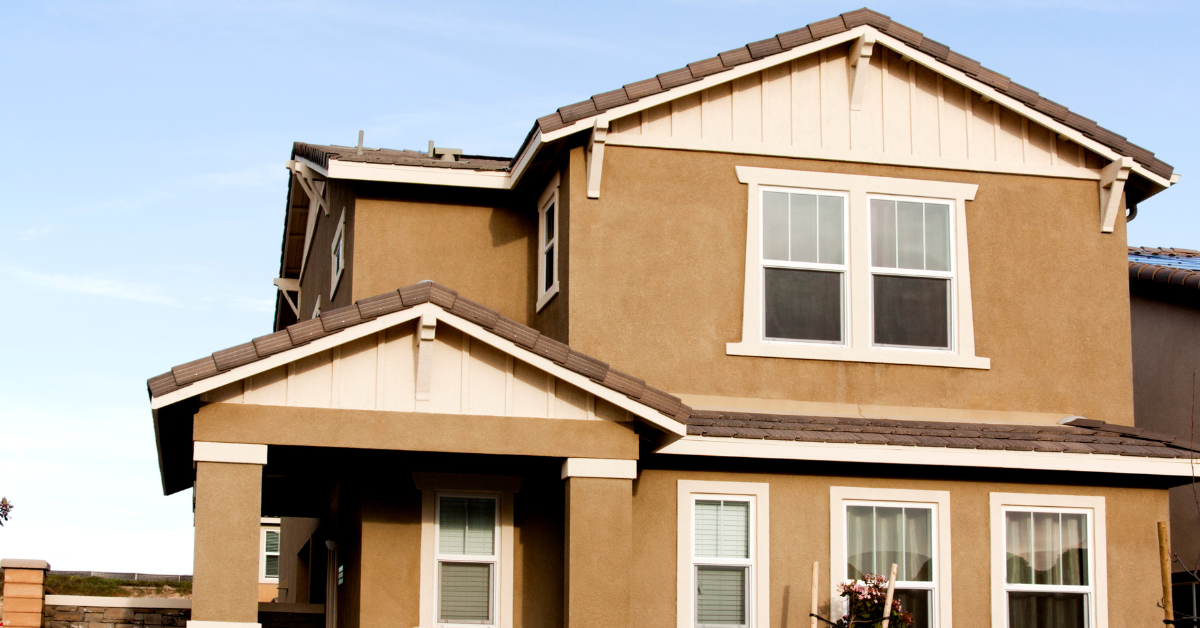
Let’s say you’ve been thinking about upgrading your home’s exterior. Or maybe that of your business. You want to make it look like a million bucks (without spending that much). You mention it to a friend, and they recommend an unfamiliar acronym: EIFS. You’re not entirely sure what it stands for, but something about it sounds promising. And now you’re wondering: Is summer the right time to move forward?
Yes. And there are a few things worth knowing before you do.
Five minutes from now, you’ll understand why summer is generally the ideal window for EIFS installation, what the Mid-Atlantic climate means for your project specifically, and how to get the process started without overthinking it.
Quick Refresher: What Is EIFS, Exactly?
EIFS stands for Exterior Insulation and Finish System. It’s a multi-layered exterior cladding system that combines insulation with a durable, customizable finish coat. If you want the full breakdown answering what is EIFS and how it works, we’ve covered it in depth elsewhere in another blog.
But the short version is that it improves energy efficiency, adds serious curb appeal, and gives homeowners more design flexibility than most traditional exterior options.
Now let’s talk timing.
Why Summer Is Generally the Ideal Window for EIFS Installation
The materials used in EIFS installation (adhesive, base coat, and finish coat) cure best in moderate-to-warm, dry conditions, so summer is up to the task. Temperatures are reliably above the minimum threshold required for proper adhesion and curing, which means the system sets up the way it’s supposed to.
Beyond chemistry, there are practical advantages too:
- Longer daylight hours mean more productive work days and faster project completion.
- Summer weather is predictable. Fewer rain delays than spring, and none of the early cold snaps that make fall scheduling a gamble.
- Design decisions happen face-to-face. Longer days make it easier to view your home in natural light when choosing finish colors and textures.
Summer is peak exterior construction season for a reason. Contractors are actively booking this time of year, and climatic conditions are working in your favor.
What Mid-Atlantic Homeowners Should Know About Summer Conditions
The Mid-Atlantic region (Maryland, Pennsylvania, Virginia, West Virginia, and Delaware) brings some specific summer conditions to the table: high humidity and heat waves that can push surface temperatures well above air temperature. Those factors are significant during EIFS installation.
Extreme heat and prolonged direct sun exposure can affect EPS board performance and narrow sealant-application windows. Note that these are professional considerations, and should be left to the experts who know this stuff inside and out.
How Robey Handles Summer Heat
Our team schedules around peak heat windows. We start early on particularly hot days, monitor surface temperatures, and manage moisture during extended humid stretches. You don’t have to think about any of this. We’ve got your back!
An exterior insulation and finish system is only as good as its installation. And that installation is only as good as the team doing it. Robey has been working in this region for more than 30 years, with plenty of projects under our utility belts. We know the climate the way you know the pattern on your hardwood floor.
The Scheduling Reality: Why Waiting Until Fall Has Hidden Costs
Summer books up fast. EIFS contractors in the Mid-Atlantic are in high demand from May through September. This is the window everyone wants to work in.
Pushing a project to fall introduces risks that are easy to underestimate:
- Shorter cure windows as temperatures drop. The system needs time to set before the cold arrives.
- Potential for freeze-thaw interference before the exterior insulation and finish system has fully cured.
- Limited contractor availability, which means less flexibility on scheduling and start dates. We can’t help that we’re popular!
The best time to start the conversation is now, so the project can be scheduled and completed while conditions are in your favor. If the timeline slips into late fall, you may end up waiting until spring anyway. (If you do find yourself waiting out winter, our post on professional stucco caulking and winter protection is a useful read in the meantime.)
What to Expect from the EIFS Installation Process as a Homeowner
We hear this question a lot: “What am I signing up for?” It’s a fair thing to wonder. Here’s a plain-language overview of what the process looks like before, during, and after installation.
| Stage | What Happens |
| Before | Site assessment, substrate inspection, selecting your finish colors and textures. We walk through your goals and confirm the scope before any work begins. |
| During | The crew arrives, layers go on in sequence, progress is steady and visible. For a typical residential project, the timeline generally runs anywhere from a few days to a couple of weeks depending on scope and conditions. |
| After | The cured system looks smooth, clean, and cohesive. Ongoing maintenance is minimal, with periodic inspections and caulking touch-ups as needed. We’ll walk you through what to watch for before we wrap up. |
Pro Tip: The Design Conversation Happens Before Work Begins
One of the most enjoyable parts of EIFS for homeowners is the finish selection. Color, texture, and profile options are wide-ranging, and they can really give your building some personality. Your contractor should walk you through these options with samples before a single nail goes in.
The Bottom Line
Summer is the right window for EIFS installation. Everything’s working in your favor. The days are long. The schedule is manageable. The risk of a costly delay is lowest right now. And while the Mid-Atlantic climate may bring its quirks, those are professional considerations that an experienced contractor knows how to handle.
The main risk of waiting isn’t technical; it’s timing. Summer books up, fall closes in, and suddenly a project you wanted done this year becomes a spring conversation.
Ready to Get Started?
Summer fills up fast. If installation is on your radar for this year, now is the right time to start the conversation. Reach out to the Robey team for a no-commitment consultation about your project. We serve homeowners and businesses across MD, PA, VA, and WV, and we know this region’s climate as well as anyone. Contact the EIFS Experts.